
Vehicle Signage ROI: What a Branded Van Is Actually Worth to a UK Fleet
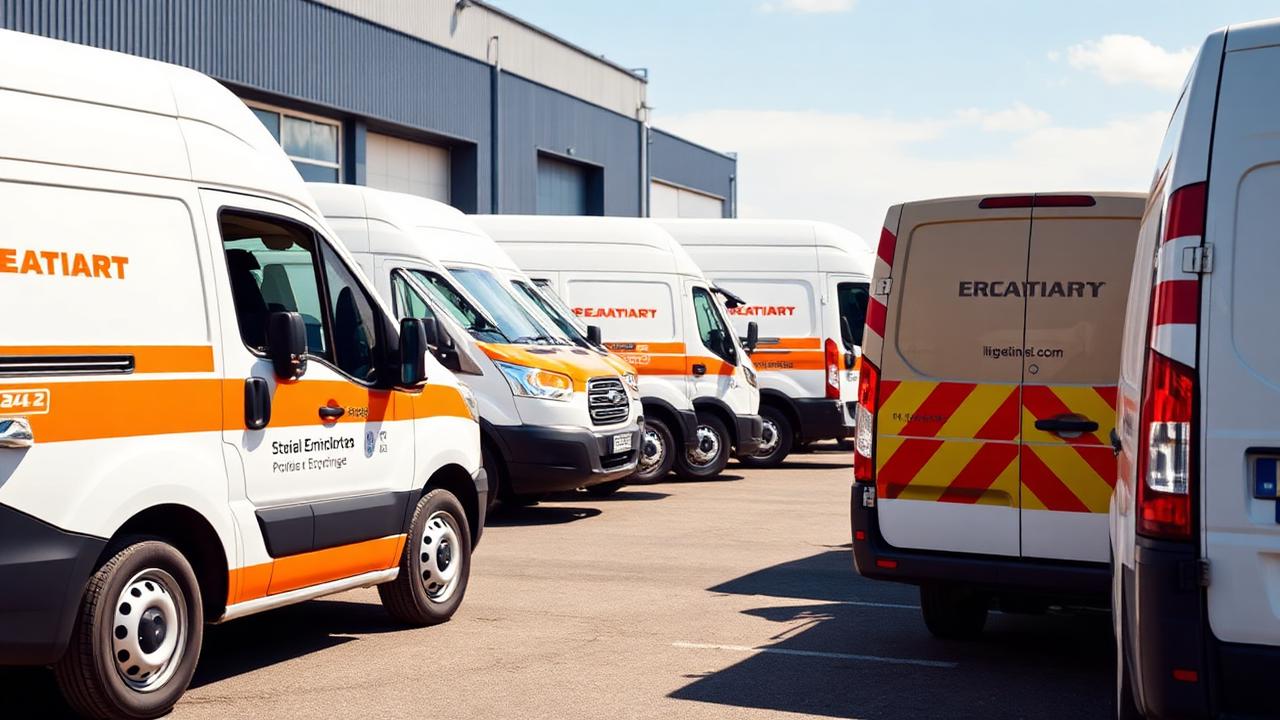
The numbers behind branded vehicle livery — impressions per mile, cost per thousand vs digital ads, and a simple ROI model for UK fleets considering a refresh.
A branded van is the cheapest billboard most UK businesses will ever buy. It is also the one most often left to fade, peel and underperform — because nobody owns the spreadsheet for it.
The impressions maths
Industry research consistently puts daily impressions for a single fully-liveried van in an urban area at between 30,000 and 70,000 views per day. Even at the conservative end, a five-vehicle local fleet generates roughly 45 million advertising impressions a year. At a CPM (cost per thousand) of less than a pound over the life of the wrap, vehicle livery is dramatically cheaper than paid digital — and it never gets ad-blocked.
What "ROI" actually depends on
Three variables move the number more than anything else:
- Daily mileage and where that mileage happens (urban beats motorway for impressions)
- Design quality and contrast — readable at 30 metres in three seconds beats clever-but-illegible
- Refresh cadence — a peeling, sun-bleached wrap actively damages brand trust
A simple model
Take your annual signage spend (design + print + fitting + replacement amortised over five years), divide by total annual impressions, multiply by 1,000. That is your true CPM. Most fleets we work with come in between £0.30 and £0.80 per thousand impressions — between 10x and 50x cheaper than equivalent digital reach.
When to refresh
If your livery is more than five years old, has visible UV fading, has peeling edges on the cut vinyl, or still carries an old phone number or URL — you are not saving money by leaving it. You are paying for impressions that damage rather than build the brand.
How FleetPrint+ helps
FleetPrint+ stores your livery artwork per vehicle type, your fitter network, and the install date on each vehicle. Refresh suggestions appear automatically in the compliance calendar, so signage decisions stop being reactive and start being scheduled.